
Hopkins Centrich PLLC provides cutting-edge, high-quality creative legal solutions to minority shareholders in Closely Held Corporations when their rights have been trampled.
Washington Minority Shareholder Rights and Protection
Washington Law on Shareholder Oppression
In Washington’s innovation-fueled economy, spanning Seattle’s tech giants to Spokane’s manufacturing roots, minority shareholder rights in Washington are staunchly defended against shareholder oppression through the Washington Business Corporation Act (RCW 23B.14.300), which permits dissolution for oppressive conduct in close corporations.
This legal provision enables minority investors such as those in family-owned wineries in Yakima Valley or small biotech firms in Bellevue to contest unfair majority practices like profit siphoning or exclusion from decisions, underscoring the Evergreen State's emphasis on equitable corporate relations. Courts scrutinize fiduciary breaches and reasonable expectations, granting remedies such as dissolution or buyouts to rectify oppressive behavior. If shareholder oppression disrupts your Washington venture, consult a skilled attorney to safeguard your interests.
Definition of Shareholder Oppression in Washington
Shareholder oppression refers to conduct by majority shareholders that unfairly prejudices minority owners, often violating their reasonable expectations or rights within the corporation


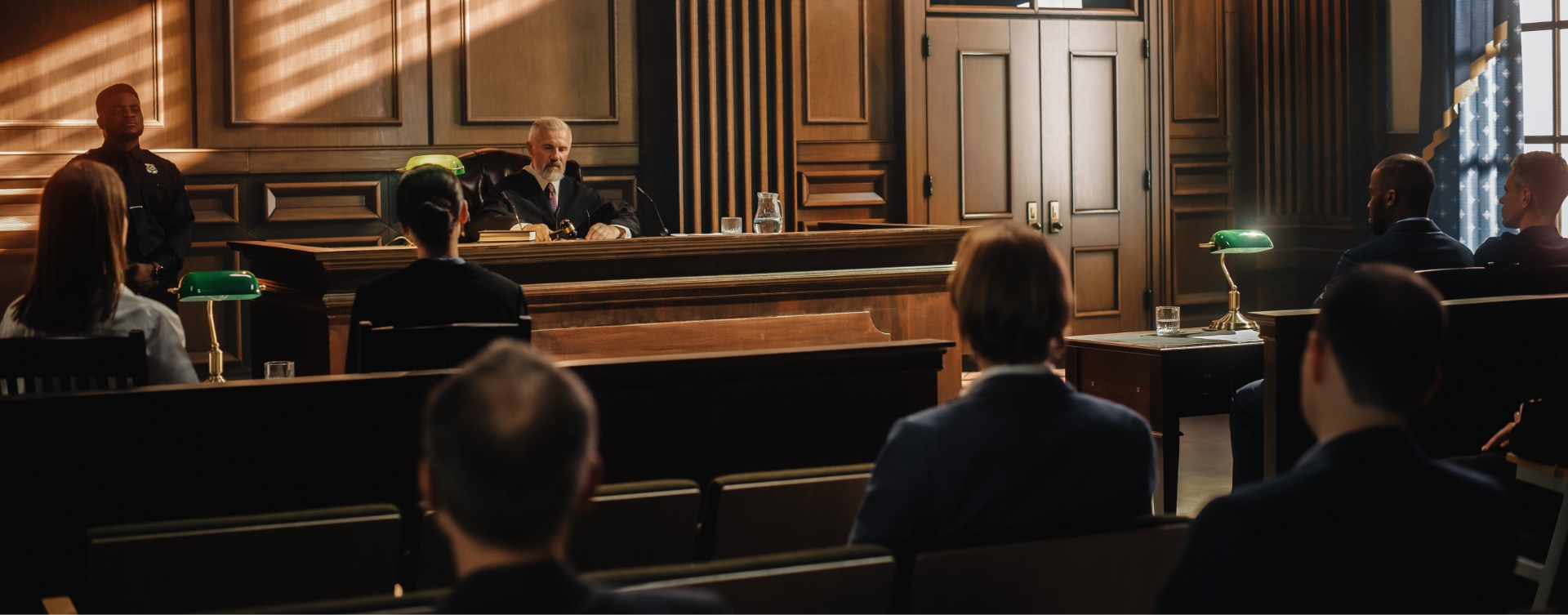
Holding Majority Owners Accountable
See the Difference Working with Hopkins Centrich Can Make
-
“I have known Kirby Hopkins for 30+ years and I trust him with my life. He is honest, ethical, and always a trusted advisor to ensure his clients are well represented!”- Anu P.
-
“Hopkins Centrich provided prompt, tailored advice and insightfully explained convoluted terminology in clear terms that safeguarded my interests amid intricate business disputes.”- Sheila N.
-
“I would highly recommend Kirby Hopkins, he is an amazing attorney! We have sent people to him when they needed services we don't offer and they have always been very happy.”- Devon W.

Have questions? Ready to get started? Call (254) 249-5436 today or contact us online to schedule a consultation.

See How We Can Help
- Business Dissolution
- Business Insurance Defense
- Unfair Business Practices
- Commercial Litigation
- Business Litigation
- Contract Law
- Legal Malpractice
- Business Law
- Competition Law
- Business Formation
- Commercial Law
- Mergers & Acquisitions
- Business Disputes
- Business Interruption Claims
- Stocks & Shareholder Rights
Common Forms of Shareholder Oppression in Washington
- Denial of Dividends or Profits: In Washington, majority shareholders may be found oppressive when they withhold dividends despite the corporation’s profitability. If the intent is to pressure minority shareholders into selling their shares at a discount, courts may view this as a violation of fair dealing and reasonable expectations under RCW 23B.14.300.
- Exclusion from Corporate Decision-Making: Minority shareholders in closely held Washington corporations often expect meaningful participation in governance. When controlling shareholders systematically exclude them from board meetings, voting processes, or strategic decisions, such conduct may be actionable as oppressive.
- Self-Dealing and Asset Misappropriation: Majority shareholders who engage in transactions that benefit themselves personally may be held liable for oppressive conduct and breach of fiduciary duty.
- Restricting Access to Corporate Information: Washington law protects a shareholder’s right to inspect corporate records. If majority shareholders obstruct access to financial statements, operational data, or shareholder registers, they may be impairing the minority’s ability to monitor their investment and assert their rights.
- Dilution of Ownership Interests: Issuing new shares without legitimate business justification, especially when done to reduce a minority shareholder’s voting power or equity stake, may constitute oppression. Courts assess whether the dilution was intended to entrench control or retaliate against dissent.
- Unjust Termination of Employment: In many Washington closely held corporations, minority shareholders also serve as employees. Terminating their employment without cause—particularly when compensation is tied to ownership—can be viewed as a coercive tactic and a breach of their reasonable expectations.


What Sets Hopkins Centrich Law Apart in Washington Shareholder Disputes
Hopkins Centrich Law offers deep expertise in Washington shareholder law, including RCW 23B.14.300 and related fiduciary standards. Our firm is known for resolving complex disputes involving exclusion, dilution, and governance breakdowns in closely held corporations. Minority shareholders trust us for strategic, results-driven representation across litigation, negotiation, and mediation.
Importance of Experienced Local Counsel in Washington
Shareholder disputes in Washington demand legal counsel that understands the state’s corporate statutes, judicial interpretations, and procedural nuances. Washington courts apply fact-intensive standards under RCW 23B.14.300, making local experience essential for framing oppression claims and securing appropriate remedies. Attorneys familiar with Washington’s legal landscape are best positioned to protect minority shareholder rights and guide cases toward strategic resolution.
Hopkins Centrich Law as Your Ideal Referral Partner in Washington
Hopkins Centrich Law offers focused expertise in Washington shareholder disputes, with a strong track record in cases involving oppression, fiduciary breach, and governance breakdowns. Our attorneys understand how Washington courts interpret RCW 23B.14.300 and apply nuanced standards like reasonable expectations and fair dealing. As a referral partner, we deliver strategic, high-quality representation that protects minority shareholders and advances client interests with precision.
Resolve Your Washington Shareholder or LLC Dispute
Shareholder oppression and LLC conflicts in Washington can threaten hard-earned equity, business continuity, and legal standing. Hopkins Centrich Law offers focused representation grounded in Washington statutes like RCW 23B.14.300 and RCW 25.15, delivering strategic solutions for minority shareholders and LLC members alike.
Connect with counsel experienced in Washington’s corporate dispute landscape.

Frequently Asked Questions
-
(1) Preserve evidence and send a litigation-hold letter. (2) Make a targeted RCW 23B.16.020 records demand. (3) Review bylaws, shareholder agreements, and any buy-sell/ADR clauses. (4) Evaluate emergency relief needs (TRO). (5) Map claims (direct vs derivative) and remedies (injunction, buyout, dissolution). Early, well-documented demands often strengthen the case and can prompt negotiated buyouts or mediation.
-
Yes, but under different statutes. The Washington LLC Act provides records rights (RCW 25.15.135), fiduciary standards, and judicial dissolution when it’s not reasonably practicable to carry on the business (RCW 25.15.274). Many outcomes hinge on the operating agreement, which courts treat as the primary governance contract.
-
Fee-shifting isn’t automatic. Courts may award fees in books-and-records actions for unjustified refusals (RCW 23B.16.040), in derivative cases when a substantial benefit is conferred, or under contract. Equitable fee-shifting can occur for bad-faith conduct.
-
Bylaw amendments must comply with RCW 23B.10 and fiduciary duties. Amendments that target minority rights (e.g., changing quorum/voting rules to silence a class) can be invalidated as inequitable or enjoined when adopted for an improper purpose.
-
Yes, when used to divert value to controllers and starve minority owners of their expected return, this pattern can evidence bad faith and oppression. Courts look at profitability, historic distribution practices, compensation comparables, and whether the policy unfairly benefits insiders.
-
For statutory “fair value” (e.g., appraisal), Washington law generally uses pro-rata enterprise value as a going concern without minority discounts, absent limited exceptions (see RCW 23B.13.010–.020). In equitable oppression remedies, courts typically track that approach to avoid rewarding oppressive conduct, adjusting at the company level (cash flows, risk) rather than imposing owner-level discounts.
-
Issuing new shares is permitted when authorized and done for a legitimate purpose (RCW 23B.06). It becomes oppressive if used primarily to entrench control or punish dissent (e.g., selectively issuing shares to insiders at a discount to wash out a minority). Courts can enjoin or unwind such issuances and award equitable relief.
-
If the corporation refuses to provide access to records without a justifiable reason, you may petition under RCW 23B.16.040. Courts can promptly compel inspection and may award costs or attorney’s fees for unjustified denial.
-
File in Washington Superior Court. Venue is typically where the corporation’s principal office is located, where defendants reside, or where the conduct occurred.
-
Courts look at origin-of-the-deal understandings, shareholder agreements, bylaws, historical practices (salary/dividends/roles), and communications. Abruptly cutting a minority owner off from employment income, board access, or distributions without a bona fide business reason can frustrate those expectations and support an oppression claim.

Meet Your Shareholder Advocates







Standing Up to Majority Misconduct
-
Focused Firepower
Our focus on shareholder disputes means sharper strategy, stronger leverage, and smarter outcomes for minority owners.
-
Business-First Strategy
We understand how companies actually run, meaning our advice is grounded in real-world business judgment.
-
Big-Firm Talent, Boutique Precision
You'll get sophisticated litigation experience with lean, efficient execution and a personalized experience.
-
Trial-Ready Leverage
We prepare every case as if it’s going to court. That preparation strengthens negotiation power and drives serious settlement value.
